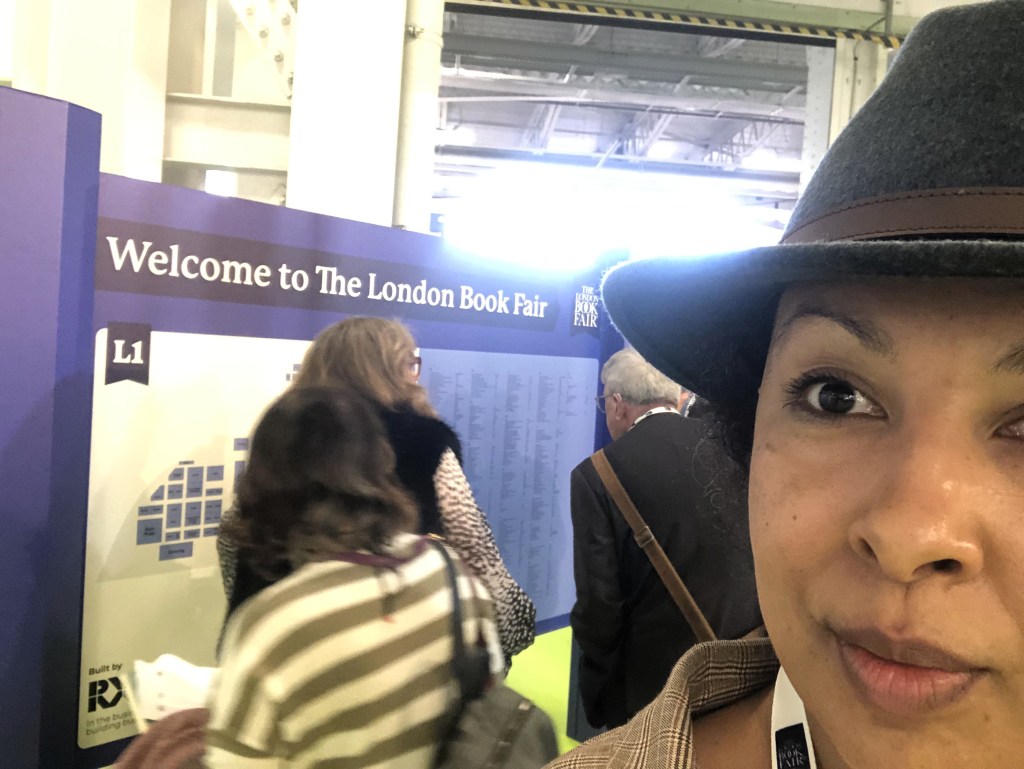
The London Book Fair 2026 was a powerful reminder of how interconnected the global publishing industry is.
Held at Olympia London this year, the LBF brought together thousands of publishers, authors, agents, translators and rights professionals from across the global publishing industry.
Over three days (I missed day one ☹), the programme included dozens of panels, networking sessions and market presentations exploring how publishing is evolving. In fact, there were so many sessions I wanted to attend that it became logistically difficult – many overlapped, meaning I often had to choose, miss sessions, or arrive late to some.
But equally valuable were the conversations that happened between sessions — the unexpected encounters that remind you that publishing is ultimately about people and stories.
Among the people I met between sessions were:
- a British-Nigerian HarperCollins author, whose book I’m now looking forward to reading;
- an American aspiring author who travelled to London for the first time specifically to attend the fair;
- a Nigerian lawyer and author whom I met, of all places, at the Books from Poland exhibition, enquiring about the logistics of translating her book into Polish and making it available to the Polish market;
- a Ghanaian publisher who attends the London Book Fair every year in search of books to acquire. We are now discussing the potential sale of territorial rights in Ghana for Diary of a Tween, the first book published by Mixed Heritage Press (in England) and written by a British-Ghanaian author.
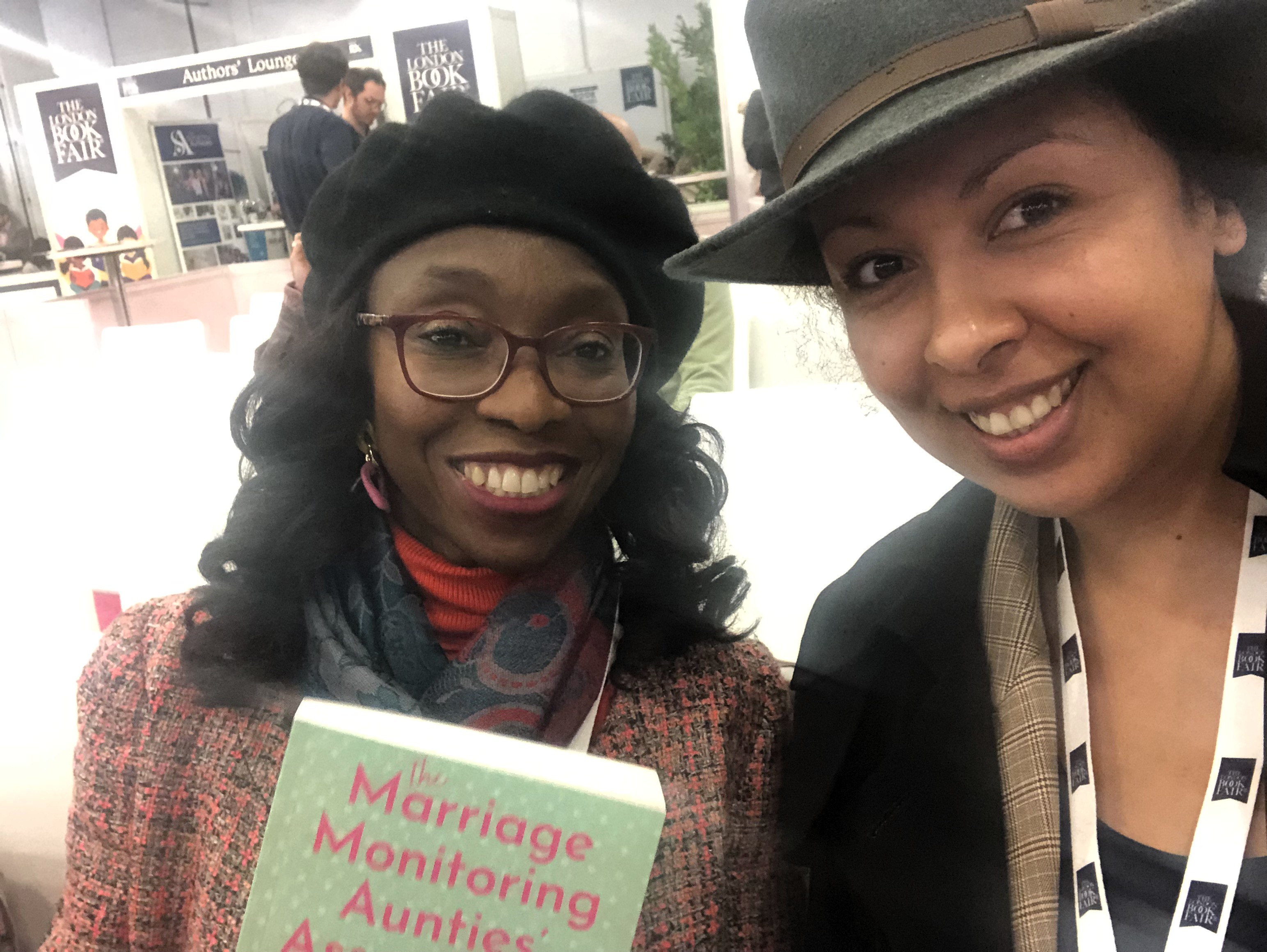
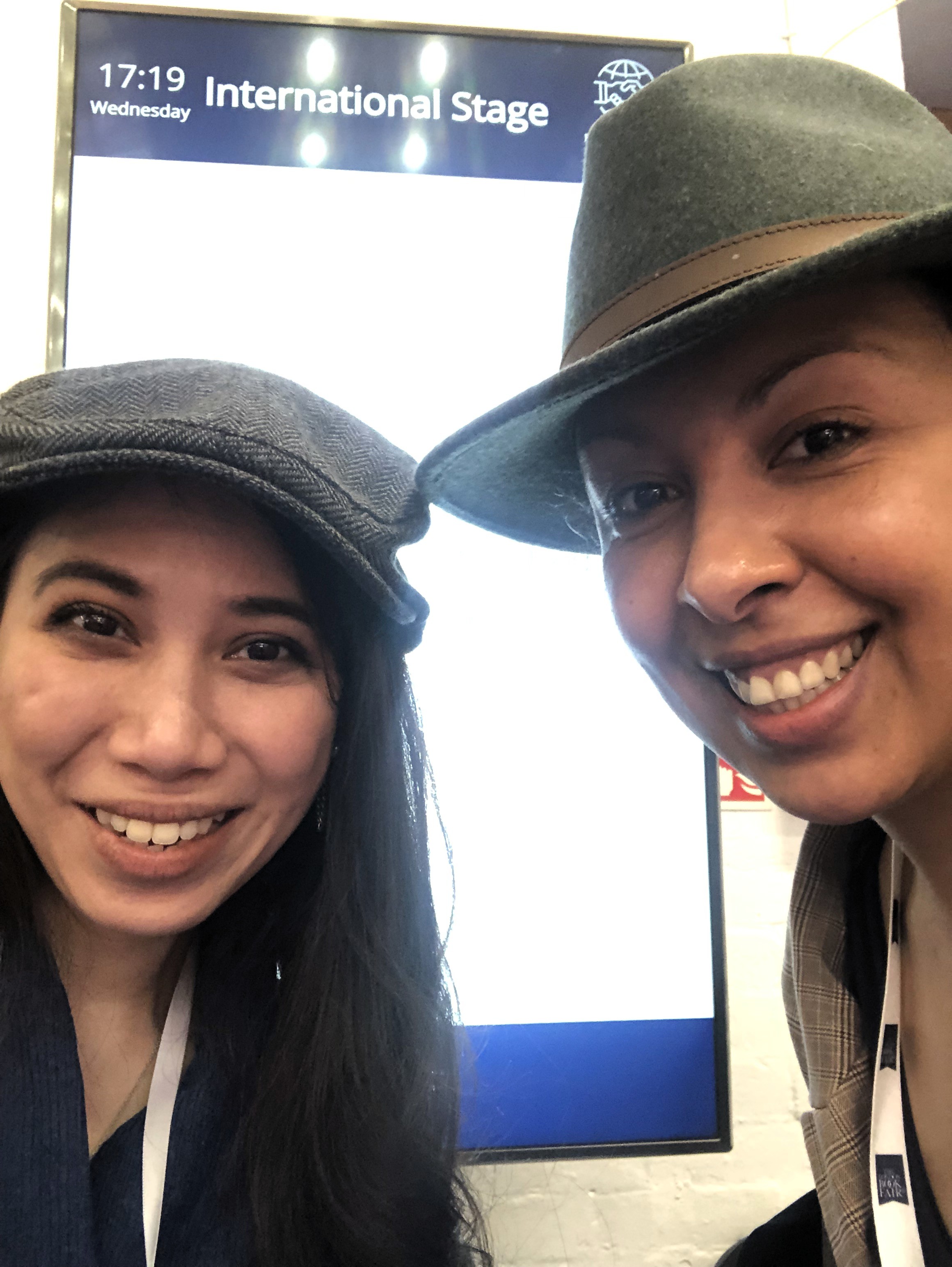
Encounters like these capture the essence of what made the London Book Fair special for me. While the industry often focuses on data, trends and markets, publishing is ultimately a network of relationships and shared cultural exchange.
Still, there is no doubt that many of the LBF insights will feed directly into the publishing consultancy work I do through Mixed Heritage Press.
Key Publishing Insights from the London Book Fair 2026
Print Formats Still Dominate the Market
One interesting statistic discussed in industry sessions was that print formats accounted for approximately 61% of U.S. book sales in 2025. While this figure relates to the American market, the broader trend is also visible in the UK, where printed books continue to dominate consumer book sales. This statistic reinforces how central the physical book remains to the reading ecosystem.
A Renewed Interest in Analogue Reading
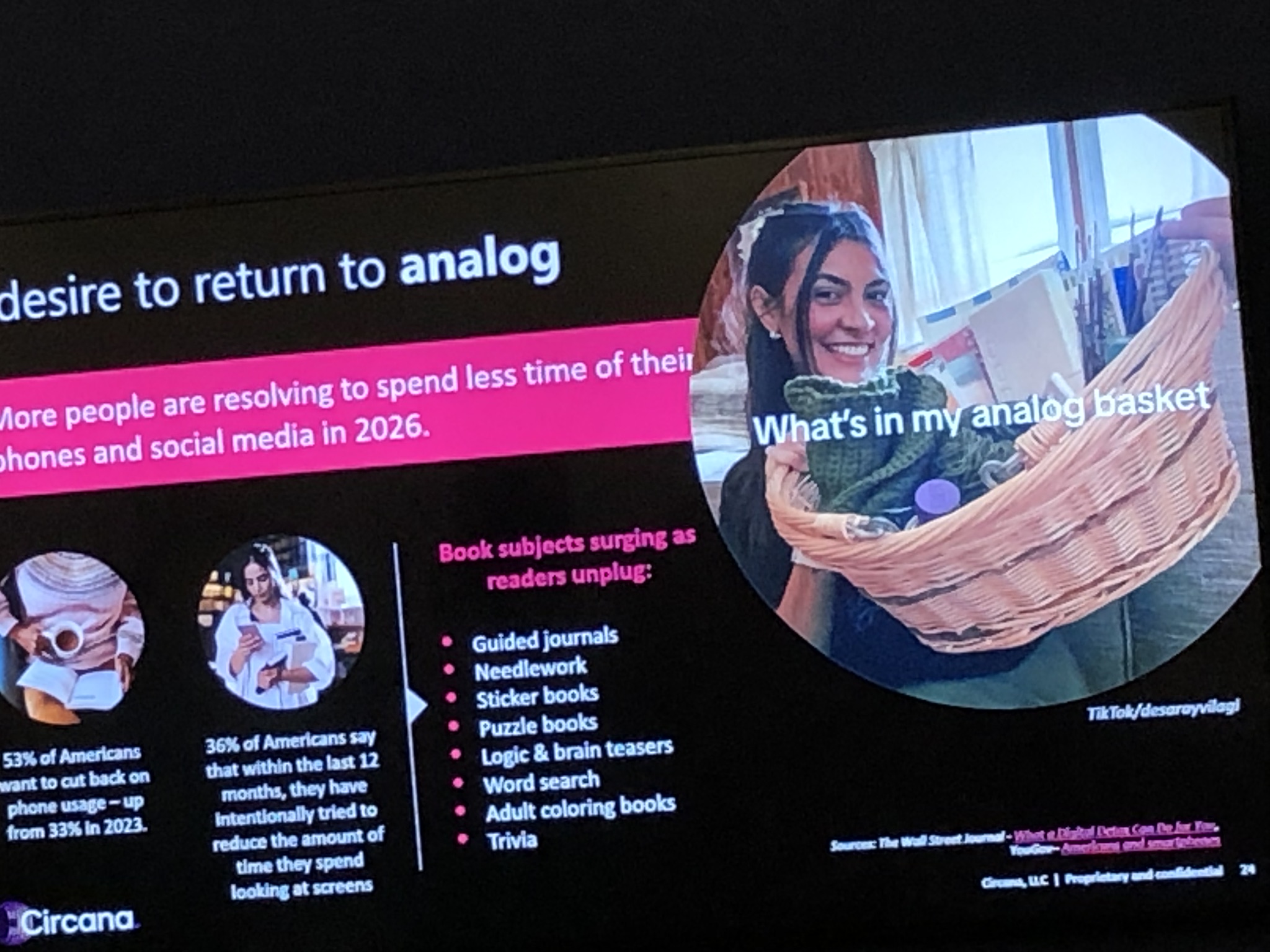
Alongside this trend, another observation discussed during a U.S. market trends session was the growing interest in analogue experiences, particularly among younger readers.
In a world dominated by digital devices, reading printed books offers a different kind of engagement – one that is slower, more focused and less mediated by screens. For many readers, physical books provide a deliberate break from the constant speed and digital flow of information.
This trend has implications not only for reading habits but also for how publishers position and design physical books in the future.
The Growing Importance of Translation
One of the most interesting discussions at this year’s fair took place at the Literary Translation Centre, which hosted panels addressing both opportunities and ongoing challenges in literary translation.
I unfortunately missed this session due to unforeseen circumstances, but the theme surfaced repeatedly in conversations between sessions, which prompted me to do some additional research afterwards. You can read more about it here.
Reportedly, these discussions highlighted how readers – particularly younger readers – are increasingly open to literature from other cultures, helping to drive demand for translated works.
The article above also highlights a key point raised during the discussions: translators often carry out highly specialised and intellectually demanding work that often remains unrecognised within the publishing economy.
That said, for those of us interested in multicultural storytelling and cross-cultural dialogue, this growing openness to translated literature is an encouraging development.
The Role of Independent Publishers
Another recurring theme at the fair was the importance of small and independent publishers.
Independent presses frequently play a crucial role in discovering new voices, publishing experimental work and championing culturally diverse stories. However, they also face significant financial and logistical challenges when competing with large multinational publishers in a global market.
Many conversations at the fair emphasised the need for stronger support structures – including partnerships, collaborative networks, and support from readers and libraries – to ensure these publishers continue to thrive.
Exploring Additional Book Distribution Opportunities
Another topic that caught my attention, particularly in relation to self-publishing authors, was the scale of print distribution offered by platforms such as IngramSpark. It made me realise that this is something we at Mixed Heritage Press have not explored closely enough yet.
At present, we typically publish our clients’ books – those choosing the self-publishing route – through platforms such as Amazon KDP and Barnes & Noble Press. However, unlike platforms primarily centred on a single retail ecosystem, IngramSpark connects printed books to its global distribution network, making them available to bookstores, libraries and retailers across many markets.
During a conversation with an IngramSpark representative at the London Book Fair, I was also told that the company is exploring expansion into various African territories. If this materialises, it could create interesting opportunities for publishers seeking wider distribution in those markets – publishers like Mixed Heritage Press, which often works with Western-based authors from the African diaspora.
This is certainly an area I intend to research further before potentially recommending it more actively to clients seeking wider print distribution.
For me, the London Book Fair 2026 delivered exactly what it promised:
- insightful professional sessions
- fascinating conversations
- meaningful new connections.
Of course, there is much more that could be said. This article only touches on a few of the most significant insights I took away from the event.
But all in all, if this year’s event demonstrated anything, it is that publishing is moving toward a future that is more international, more collaborative, more supportive of independent and self-publishing models, and more culturally interconnected than before.
The London Book Fair made me hungry for more international literary events. I am already looking ahead to October, when I hope to attend the Frankfurt Book Fair, as well as the Ake Arts and Book Festival in Lagos (November) and perhaps even the vast Cairo International Book Fair at the beginning of 2027.
Stay tuned for more publishing insights from around the world here on the Mixed Heritage Press blog.
If you are looking for support with writing, publishing, or bringing your book project to life, feel free to get in touch to discuss how we can help.
Monika

 MIXED HERITAGE PRESS (MHP)
Leave a Reply